Skilled Structural Drying Services for Safe Homes
Exploring Water Damage Services: How to Preserve Your Property
Water damage presents considerable threats to properties, requiring a thorough understanding of available services. Property owners frequently neglect the common causes and early indicators of damage, which can ultimately result in significant repair costs. Immediate and informed responses are essential. Hiring professionals can offer detailed assessments and successful remediation. Despite this, many homeowners are not fully aware of all the preventive strategies available to them. Exploring these aspects can reveal vital strategies for safeguarding your investment against unforeseen water-related issues.
Exploring Common Causes of Water Damage
Water damage can arise from a variety of sources, making it crucial to understand the frequent causes that contribute to such concerns. A common source involves plumbing failures, including broken pipes or faulty appliances, which can discharge large quantities of water. Weather-related incidents, such as severe rainfall or flooding, also play a role in water damage, especially in regions susceptible to severe storms. Moreover, roof leaks can appear due to wear and tear, enabling water to infiltrate the building. Poor drainage systems and clogged gutters can exacerbate these problems by directing water toward the foundation. Another overlooked cause is elevated humidity and condensation, which can result in mold development and structural deterioration over time. Being aware of these frequent causes can enable property owners adopt preventive strategies, safeguarding their homes from the potentially devastating effects of water damage.
Identifying Signs of Water Damage Early
Recognizing the early indicators of water damage is essential for efficient prevention. Homeowners should stay alert for certain indicators that water intrusion may be happening. Discolouring on walls or ceilings, commonly appearing as dark or yellowish marks, can suggest roof or plumbing leaks. Furthermore, flaking paint or lifting wallpaper may point to long-term dampness. A damp or musty scent often accompanies water damage, hinting at the presence of mold. Property owners should additionally check for warped or buckled flooring, which may be caused by absorbed moisture. One more important indicator is the appearance of condensation on windows or walls, suggesting excess humidity levels. Prompt recognition of these symptoms allows for swift intervention, reducing the risk of significant damage and expensive restoration. Regular inspections and maintenance can further aid in identifying these indicators, promoting a preventative mindset toward property protection and maintenance.
Immediate Actions After Water Damage
After experiencing water damage, it is essential to take swift measures to prevent additional problems. To begin, shutting off the water supply is necessary to stop additional water accumulation. Following that, carefully documenting and evaluating the full extent of the damage will assist with recovery efforts and strengthen any required insurance claims.
Stop The Water Supply
Detecting and addressing the cause of water penetration is critical for reducing damage and avoiding additional problems. Prompt measures should be implemented to reduce the effect on the property. This often involves locating the primary source, whether the culprit is a ruptured pipe, a compromised roof, or an overflowing fixture. Homeowners should turn off the water supply at the main valve to halt the flow, consequently limiting further water collection. In certain situations, reaching out to a licensed plumber may be required to resolve the problem efficiently. After the source is contained, a more controlled restoration process can begin. Quickly halting the water source is an essential initial measure in safeguarding the property from significant harm.
Examine The Damage
Once the water supply has been stopped, examining the damage is a necessary step. This preliminary evaluation requires pinpointing the damaged sections, including personal belongings, walls, and floors. Moisture frequently penetrates building materials, resulting in unseen harm that is not always apparent at first glance. Skilled technicians commonly assess for the integrity of the structure and the development of mold, which can develop rapidly in damp conditions. They will often assess the degree of harm to appliances and electrical systems. It is important to establish what type of water is involved—black, gray, or clean—as this impacts the remediation process. Swift and precise assessment sets the foundation for successful remediation work, ultimately minimizing prolonged effects on the building and creating a more secure space for those living or working in the space.
Thoroughly Document Everything
Thoroughly documenting all damage is essential in the aftermath of water damage. This thorough record-keeping serves several important functions, including streamlining insurance claims and guiding restoration efforts. Individuals should begin by taking clear photographs of affected areas, taking both broad perspectives and detailed shots of specific damage. Additionally, keeping a detailed inventory of compromised possessions, with full descriptions and value estimates, can be tremendously helpful. It is strongly recommended to record the exact date and time of the event, as well as any prompt steps taken, such as reaching out to restoration experts. This documentation not only supports insurance processes but also aids in evaluating the extent of damage for later review. By keeping detailed documentation, homeowners can ensure a more efficient restoration process.
Ways Professionals Can Help Address Water Damage
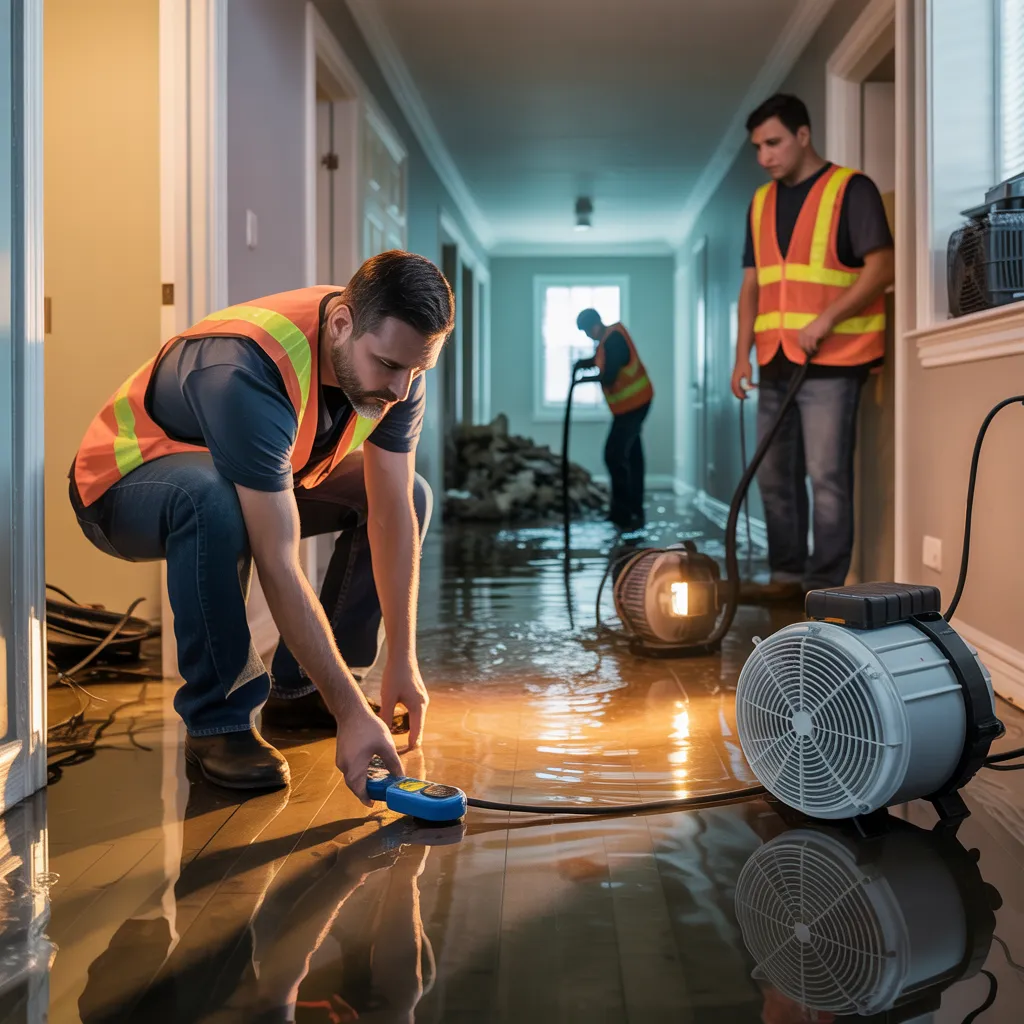
Professionals are instrumental in minimizing the impact of water damage, using targeted approaches to restore affected areas effectively. Their work commences with examining the extent of the damage, utilizing advanced tools to locate obscured water and possible threats. This detailed evaluation enables a customized approach to every unique case.
After the assessment has been finished, specialists utilize targeted water extraction methods to remove excess moisture from walls, carpets, and surrounding surfaces. Professionals also utilize industrial-grade dehumidifiers and air movers to promote accelerated drying, avoiding mold development and structural damage.
Additionally, trained technicians can detect and resolve possible water intrusion sources, delivering recommendations for repair or prevention. Their familiarity with construction materials and recovery methods assures that building owners receive professional advice the best possible outcomes. By relying on professionals, clients can save time, reduce stress, and protect their investments effectively.
Key Steps in Water Damage Restoration
Restoring water-damaged areas requires a sequence of systematic procedures designed to return affected areas to their pre-damage condition. Initially, professionals assess the extent of the damage and identify the source of moisture. Following this, the area is secured to prevent further issues, such as mold growth. The next step is water extraction, where specialized equipment removes standing water efficiently.
Following extraction, the drying phase commences, employing heavy-duty fans and dehumidifiers to guarantee all moisture is removed. After the area is fully dried, specialists continue with cleaning and sanitizing surfaces to eliminate potential contaminants. Fixing and restoring compromised materials, like drywall or flooring, is the concluding step, assuring structural soundness and visual appeal. Throughout the process, documentation is maintained for insurance purposes, offering a comprehensive record of the remediation efforts. This systematic approach is essential for successful water damage restoration and securing the property against future damage.
Effective Strategies for Water Damage Prevention
Preventing water damage is vital for homeowners and property managers alike, as even minor moisture intrusion can lead to serious problems over time. A key approach involves regular inspection of roofs, gutters, and downspouts to guarantee they are clean and operating as intended. This prevents water from pooling and penetrating the structure. Additionally, sealing cracks in the foundation and walls can thwart unnecessary moisture penetration.
Setting up sump pumps in basements and ensuring adequate drainage throughout the property can significantly lower associated risks. Homeowners should also monitor indoor humidity levels, using dehumidifiers as needed to preserve optimal conditions. Routine upkeep of plumbing systems, which includes inspecting for leaks, is essential for timely identification. Additionally, informing residents about water safety protocols and response strategies can enable them to respond quickly during emergencies, minimizing the overall potential for damage. These proactive measures collectively contribute to long-term water damage prevention.
What You Need to Know About Insurance for Water Damage Claims
When navigating the challenges of insurance for water damage claims, homeowners commonly come across a range of coverage options and policies. A standard home insurance policy might provide coverage for particular types of water-related damage, such as losses caused by unexpected leaks or burst pipes. That said, damage from flooding usually demands a separate flood insurance policy, which is essential for residences situated in flood-prone regions.
Homeowners should carefully review their insurance documents to understand exclusions and limitations. For example, progressive damage, such as prolonged leaks, is usually not covered. Furthermore, most insurance providers require prompt reporting of claims; late reporting can cause decreased payouts or claim denial.
To effectively handle the claims process successfully, homeowners are recommended to document the damage thoroughly, including visual and written records. Consulting an experienced adjuster can also help in securing a reasonable settlement. At the end of the day, knowing these key elements can significantly influence the recovery process following instances of water damage.
Frequently Asked Questions
What Is the Average Timeframe for Water Damage Restoration?
The water damage restoration process typically spans between a few days and several weeks, based on the scale of the damage, the areas involved, and the effectiveness of the restoration team overseeing the work.
Can I Manage Water Damage Repairs by Myself?
Handling water damage repairs independently is possible, but often risky. Experts have the specialized tools and knowledge to ensure complete restoration, reducing the likelihood of future issues. Weighing personal skills against the advantages of hiring specialists is key to handling damage in the most efficient way.
What Kinds of Insurance Policies Cover Water Damage?
Home insurance generally covers water damage from sudden incidents, while flood insurance is designed to address damage resulting from flooding waters. Policy specifics vary, so individuals should review their coverage details to secure proper coverage against the risk of water damage.
Are All Water Damage Services the Same?
Not all water damage services are the same. They vary in expertise, techniques, and equipment used. Some specialize in specific types of damage, while others offer thorough solutions, affecting overall effectiveness and customer satisfaction.
Where Can I Locate a Trustworthy Water Damage Service?
To find a reliable water damage service, it is advisable to look into local businesses, review client feedback, verify professional credentials, and seek recommendations from others. Assessing estimates and reviewing reaction times can further assist in reaching a well-informed decision.